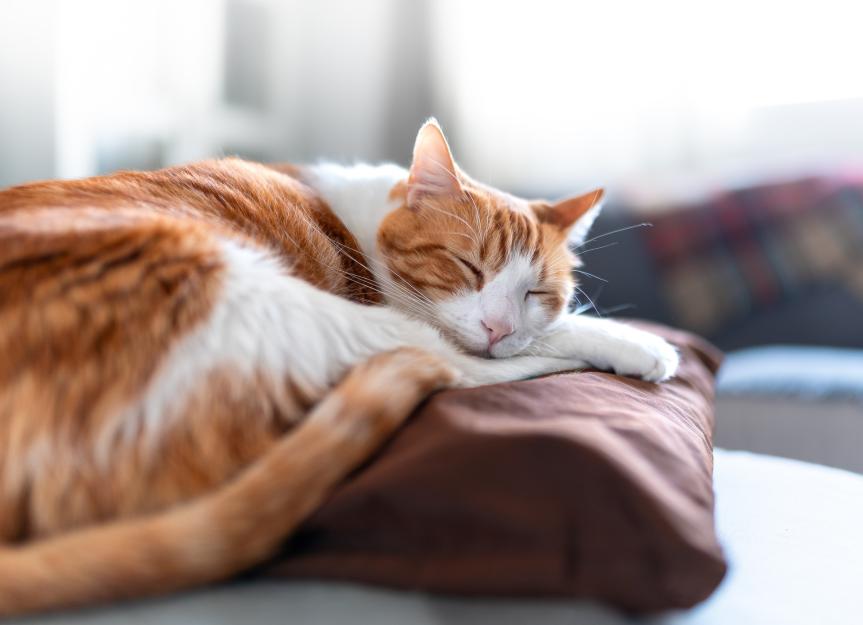
The gentle hum of a contented cat purring is one of life's simple pleasures, but what about those other, sometimes louder, nocturnal noises? If you've ever found yourself wondering, "Is that a purr or a snore coming from my sleeping feline?" you're not alone. Many cat owners experience their pets making various sounds while asleep, leading to questions about their health and well-being. Understanding the difference between a normal cat purr and a snore – and knowing when a snore might signal something more serious – is key to being a responsible pet parent.
The Mechanics Behind the Rumbles: Why Do Cats Snore?
Just like humans, some cats are naturally more prone to snoring than others. While a soft, occasional rumble is usually nothing to worry about, the sound itself has a clear physiological basis. So, why do cats snore?
The primary reason for snoring in cats, much like in people, is the relaxation of soft tissues around the airways during deep sleep. As your cat enters the most profound stages of slumber, the muscles throughout their body, including those in the nasal passages and throat, relax completely. This relaxation causes a loose flap of skin at the back of the nasal passage, known as the soft palate, to vibrate as air passes over it during breathing. It's this vibration that produces the familiar snoring sound.
- Deep Sleep Dynamics: Snoring is most common during deep, non-REM sleep. During this phase, your cat's body is entirely relaxed, creating the ideal conditions for the soft palate to vibrate.
- Anatomical Influences: The unique shape of a cat's head and face can significantly influence the size and position of this soft palate. Breeds with shortened snouts, known as brachycephalic breeds (like Persians, Himalayans, or Exotic Shorthairs), are particularly predisposed to snoring. Their compacted facial structure often means they have narrower airways and a more elongated soft palate, increasing the likelihood of vibrations.
- Distinction from REM Sleep: Interestingly, you're less likely to hear snoring during REM (rapid-eye movement) sleep, often referred to as "dream sleep." This is when your cat might twitch, whimper, or gently move their paws as they actively process their feline dreams. While vocalizations can occur during REM, snoring specifically is a hallmark of deep relaxation.
For most cats, snoring is a normal and harmless part of their sleep cycle, a comforting sign of deep rest. However, knowing the nuances helps distinguish it from other sounds and potential issues.
Snore or Purr? Decoding Your Cat's Nocturnal Noises
One of the most common questions pet owners have is how to differentiate between a snore and a purr, especially when their cat is deeply asleep. While both sounds involve vibrations in the respiratory system, their characteristics and contexts are quite distinct.
To tell the difference, you need to become a keen observer and listener:
- Consistency and Rhythm:
- Purr: A cat's purr is typically a fairly constant, rhythmic sound. It's often a continuous rumble, produced during both inhalation and exhalation, and doesn't usually interrupt the natural flow of breathing. Purring can be voluntary, used for communication, comfort, or even self-soothing.
- Snore: A snore, on the other hand, is directly tied to the breathing cycle. It's usually louder during exhalation and will change in intensity and frequency with each breath. It's an involuntary sound that signifies airflow obstruction, however minor.
- Context and Body Language:
- Purr: Cats purr in various situations – when they're happy, relaxed, seeking attention, kneading, eating, or even when injured or stressed (as a self-soothing mechanism). A purring cat often displays relaxed body language, like kneading, slow blinking, or rubbing against you.
- Snore: Snoring almost exclusively occurs during sleep, specifically deep sleep. A snoring cat will be completely relaxed, often in an unusual or contorted sleeping position, showing no active signs of alertness or interaction.
- Loudness and Quality:
- Purr: While purrs can vary in volume, they rarely reach the level of a truly loud, disruptive snore. They often have a softer, more resonant quality.
- Snore: Snoring can range from a soft, almost imperceptible rumble to a surprisingly loud and raspy sound. The quality can sometimes sound like a faint gasp or a gentle snort.
If you're unsure, try gently observing your cat. If they're awake or easily roused, it's likely a purr. If they remain deeply asleep and the sound is clearly linked to the intake and outflow of breath, it's almost certainly a snore.
Common Reasons Your Feline Friend Might Be Snoring
While often harmless, snoring can stem from various factors, some benign and others requiring closer attention. Understanding these causes can help you assess if your cat's nocturnal noises are simply part of their charm or a potential indicator of an underlying issue.
Normal and Common Causes
- Sleeping Position: This is perhaps the most straightforward cause. Cats are masters of contortion, and sometimes they find themselves in peculiar sleeping positions. If your cat snoozes with their head squashed against a pillow, tucked into a tight corner, or with their neck at an awkward angle, it can temporarily put pressure on their nasal passages, leading to snoring. Once they shift positions, the snoring often stops. Providing a variety of comfortable, spacious sleeping spots can sometimes alleviate this.
- Age-Related Changes: As cats get older, their soft tissues, including the soft palate, can become more flaccid. This natural aging process can increase the likelihood and frequency of snoring in elderly felines. Just like with humans, an older cat might simply be a noisier sleeper.
- Obesity: Excess weight is a significant contributor to snoring in cats. Just as in humans, extra fat deposits can accumulate around the throat and neck, narrowing the airways and making it harder for air to pass through smoothly. If your cat has recently gained weight and started snoring, consulting your vet about a weight management plan is highly advisable.
- Anatomical Predisposition: As mentioned, brachycephalic breeds are naturally more prone to snoring due to their unique facial structure. If you own a Persian, Himalayan, or similar breed, some degree of snoring is often considered normal for them.
Environmental and Health-Related Causes
Sometimes, snoring can be a symptom of a temporary or chronic health issue:
- Upper Respiratory Infections (URIs): A stuffy nose or congestion, much like a common cold in humans, can cause snoring in cats. URIs, often referred to as "cat flu," can be caused by viruses or bacteria, leading to inflammation and mucus buildup in the nasal passages. Other symptoms might include sneezing, runny nose, watery eyes, and lethargy.
- Allergies: Cats can suffer from environmental allergies to pollen, dust mites, mold, or certain household products. An allergic reaction can cause inflammation and swelling in the nasal passages, leading to snoring. Identifying and minimizing exposure to allergens can help. Regular cleaning, using air purifiers, and vet-prescribed antihistamines might be options.
- Foreign Bodies: Occasionally, a cat might inhale a foreign object like a grass blade, a seed, or a small piece of debris, which can become lodged in their nasal passages or throat. This partial obstruction can cause snoring and potentially other signs of irritation or discomfort.
- Growths or Masses: More seriously, snoring can be a symptom of a growth partially blocking the airway. This could include nasal polyps (benign growths), dental abscesses that extend into the nasal cavity, or, in rare cases, tumors. If snoring is accompanied by other symptoms or is a recent, significant change, this possibility needs to be investigated by a veterinarian.
It's crucial to observe your cat for any accompanying symptoms that might point towards one of these underlying issues. For more details on common causes and health clues, you might find our article Why Do Cats Snore? Uncover the Common Causes and Health Clues helpful.
When to Act: Red Flags That Warrant a Vet Visit
While occasional, soft snoring is generally normal, there are specific signs that indicate your cat's snoring might be more than just a quirky habit. Paying attention to these red flags can help you determine Is Your Cat Snoring Normal? What Every Pet Owner Should Know, and when it’s time to consult your veterinarian.
Seek veterinary attention immediately if you observe any of the following concerning symptoms alongside your cat's snoring:
- Struggling to Breathe: This is the most critical sign. Look for open-mouthed breathing (cats typically breathe through their noses), rapid or labored breathing, exaggerated chest or abdominal movements, or an outstretched neck during breathing.
- Sudden Onset or Significant Change: If your cat suddenly starts snoring loudly after never having done so before, or if their snoring dramatically increases in volume or frequency, it warrants investigation.
- Gagging, Retching, or Coughing: These symptoms suggest an obstruction or irritation in the throat or airways that could be causing the snoring.
- Changes in Eating or Drinking Habits: Difficulty swallowing, loss of appetite, or reluctance to drink water can indicate pain or obstruction in the oral cavity or throat.
- Lethargy or Behavioral Changes: Unusual tiredness, decreased activity levels, hiding, or irritability can be general signs of illness that, when combined with snoring, suggest a health problem.
- Nasal Discharge or Eye Discharge: Persistent clear, cloudy, or colored discharge from the nose or eyes often points to an upper respiratory infection or allergies.
- Paw at Face or Nose: Your cat may be trying to dislodge something or relieve discomfort if they are frequently pawing at their face.
- Blue-Tinged Gums: This is an emergency sign indicating a severe lack of oxygen and requires immediate veterinary intervention.
- Snoring While Awake: If your cat makes snorting or snoring sounds even when they are awake and relaxed, it suggests a chronic airway obstruction that needs to be evaluated.
Your vet will perform a thorough physical examination, potentially looking into your cat's mouth and nasal passages, and may recommend diagnostics like X-rays, blood tests, or even a specialized scope to examine the airways for polyps, foreign bodies, or other abnormalities. Early diagnosis and treatment can prevent more serious complications and ensure your feline friend breathes easily and comfortably.
Conclusion
Understanding your cat's nocturnal symphony, whether it's a gentle purr or a resonant snore, is part of the unique bond you share. While the answer to "Why do cats snore?" is often rooted in normal feline physiology during deep sleep, it's essential for every pet owner to distinguish between harmless rumbles and potential warning signs. By learning the subtle differences between a snore and a purr, recognizing common benign causes like sleeping positions or age, and most importantly, identifying the critical red flags that warrant a veterinary visit, you empower yourself to ensure your furry companion enjoys a long, healthy, and peaceful life. When in doubt, a professional veterinary consultation is always the best course of action to safeguard your cat's well-being.