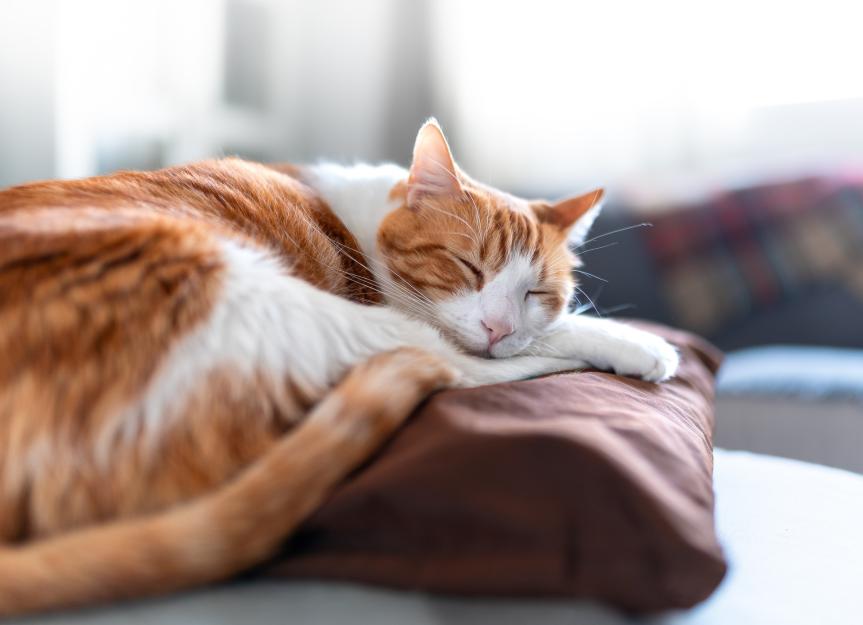
Why Do Cats Snore? Uncover the Common Causes and Health Clues
The gentle purr of a contented cat is a sound many pet owners cherish, but what happens when those soft rumbles turn into something louder – a distinct snore? If your feline friend is a noisy sleeper, you're not alone. Cats, much like humans, can be prone to snoring, and considering they spend a significant portion of their lives (around 15-16 hours a day!) in slumber, you're likely to hear it often. While Is Your Cat Snoring Normal? What Every Pet Owner Should Know is a common question, the reasons behind this nocturnal symphony can range from perfectly harmless to indicators of underlying health concerns. Understanding why do cats snore is key to distinguishing between a normal quirk and a sign that your beloved companion might need a little extra attention.
This comprehensive guide will delve into the fascinating mechanics of feline snoring, explore the most common and innocent culprits, and equip you with the knowledge to identify when that peaceful snort might warrant a trip to the vet. Let's explore the world of whiskered snorers.
The Mechanics of Feline Snoring: What Happens When Your Cat Snores?
To understand why do cats snore, we first need to look at what's happening inside their tiny respiratory systems during sleep. Just like humans, a cat's snoring is primarily caused by the vibration of soft tissues within the nasal passages and throat. Here's a closer look:
- Deep Sleep Relaxation: Snoring is most common during the deepest stages of your cat's sleep cycle. As they drift into profound rest, their entire body relaxes completely, including the muscles and soft tissues around their nose and throat.
- The Soft Palate's Role: Central to snoring is the soft palate – a loose flap of tissue located at the back of the roof of the mouth, extending into the nasal passage. This ingenious anatomical feature typically allows air to pass freely when breathing, while preventing liquids from entering the nasal cavity when drinking. However, when these tissues relax and partially obstruct the airway during deep sleep, the air flowing past them causes them to vibrate, producing the characteristic snoring sound.
- Breathing Rhythms: If you listen closely, you'll notice that a cat's snore is not a constant sound, unlike a purr. It changes in intensity and rhythm, directly correlating with their breathing. The sound is often loudest and most distinct as they exhale, pushing air past those vibrating tissues. (If you're unsure whether your pet is snoring or purring, listen carefully – a cat’s purr is a fairly constant sound, but a snore changes in time with their breathing and is louder when they exhale. Learn more about Cat Snoring vs. Purring: How to Tell the Difference and When to Act.)
- REM vs. Deep Sleep: Interestingly, cats are less likely to snore during REM (rapid-eye movement) sleep, also known as dream sleep. This is the stage where you might observe your sleeping pet twitching, jerking, or even squeaking as they act out fragments of their feline dreams. Snoring is a hallmark of the non-REM, deeper sleep stages where muscle relaxation is at its peak.
When is Cat Snoring Normal? Common and Harmless Reasons
For many cats, snoring is a perfectly normal occurrence and no cause for alarm. Several factors can contribute to a cat's noisy slumber without indicating any health issues:
- Sleeping Position: One of the most frequent and harmless reasons a cat snores is simply their chosen sleeping position. If your cat is curled up in an awkward pretzel, sleeping on their back with their head upside down, or squashed against the edge of their bed, pillow, or even your leg, it can put temporary pressure on their nasal passages and partially obstruct their airways. Once they shift positions and their airways open up, the snoring often stops. Observe if the snoring is intermittent and tied to specific sleeping postures.
- Age-Related Changes: As cats mature and enter their golden years, it's not uncommon for them to start snoring more frequently or loudly. The soft palate, like other tissues in the body, can become less taut and more flaccid with age, making it more prone to vibration during sleep. This is a natural part of the aging process and, in isolation, is usually nothing to worry about.
- Breed Predisposition: Some cat breeds are inherently more prone to snoring due to their unique facial anatomy. Brachycephalic breeds, characterized by their flat faces and shortened snouts (such as Persians, Himalayans, and Exotic Shorthairs), often have compressed nasal passages and elongated soft palates. This anatomical structure significantly increases their likelihood of snoring, as their airways are naturally narrower and more prone to obstruction. If you own one of these breeds, occasional snoring is almost an expectation.
- Weight Gain: While not necessarily a "normal" state, mild weight gain can contribute to snoring without being a severe health crisis. Just like in humans, extra tissue around the neck and throat area in an overweight cat can add pressure to the airways, making them narrower and more susceptible to vibration during sleep. Managing your cat's weight can often alleviate this type of snoring.
When to Be Concerned: Snoring as a Signal for Underlying Issues
While often benign, a change in your cat's snoring habits or the appearance of additional symptoms can be a crucial clue that something more serious is at play. It's vital to know when to monitor and when to consult your veterinarian about why do cats snore more persistently or differently.
Potential Health-Related Causes for Snoring:
- Upper Respiratory Infections (URIs): A stuffy nose is just as uncomfortable for cats as it is for humans, and it can certainly lead to snoring. URIs, often referred to as "cat flu," can cause inflammation and congestion in the nasal passages, making breathing more difficult and noisy. Look for accompanying symptoms such as sneezing, nasal or eye discharge, coughing, lethargy, reduced appetite, or fever.
- Allergies: Cats can suffer from environmental allergies to substances like pollen, dust mites, or certain household products. An allergic reaction can cause inflammation and swelling in the airways, leading to increased snoring. Identifying and reducing exposure to the allergen can help.
- Foreign Bodies: Sometimes, a small foreign object might become lodged in your cat's nasal passages or throat. This could be anything from a grass seed inhaled during outdoor play to a small piece of food. A foreign body will cause partial obstruction, leading to snoring, gagging, pawing at the face, or sudden onset of difficulty breathing.
- Polyps or Growths: Benign growths called polyps, or more rarely, tumors, can develop in the nasal cavity or throat. These growths can gradually enlarge, creating a physical obstruction that leads to chronic snoring and other breathing difficulties. Dental abscesses that extend into the nasal cavity can also cause similar issues.
- Obesity: While mild weight gain might cause minor snoring, significant obesity can exacerbate it. Excess fat deposits around the neck and chest can severely restrict the airways, making breathing laborious even when awake, and significantly increasing the likelihood and intensity of snoring. Obesity also puts cats at risk for numerous other health problems.
- Dental Issues: Severe dental disease, particularly infections or abscesses in the upper jaw, can sometimes extend into the nasal passages, causing inflammation, congestion, and snoring.
Warning Signs That Warrant a Vet Visit:
It's generally not necessary to see a vet about your cat snoring unless you notice other concerning symptoms or a significant change in their breathing. Consult your veterinarian if you observe any of the following:
- Sudden Onset or Significant Increase: If your cat suddenly starts snoring loudly, or if their snoring significantly worsens or becomes constant.
- Changes in Breathing Pattern: Labored breathing, open-mouth breathing (cats rarely breathe with an open mouth unless distressed), gasping, wheezing, or struggling for air.
- Associated Symptoms: Coughing, gagging, retching, sneezing, nasal discharge, eye discharge, pawing at the face, lethargy, decreased appetite, or changes in vocalization.
- Distress: Your cat appears anxious, uncomfortable, or distressed while breathing or trying to sleep.
- Blue-tinged gums or tongue: This is an emergency and indicates severe oxygen deprivation.
Practical Tips for Cat Owners: What You Can Do
Being an attentive cat owner means knowing when to simply enjoy your cat's quirky snoring and when to take action. Here are some practical tips:
- Observe and Document: Keep a mental note (or even a written one) of your cat's snoring habits. When did it start? Does it happen in specific positions? Is it getting louder or more frequent? Are there any other symptoms accompanying it? This information will be invaluable to your vet.
- Ensure Optimal Sleeping Environment: Provide a comfortable, quiet, and clean sleeping space for your cat. Ensure their bed is supportive and allows for various sleeping positions without constricting their airways. If dust or allergens seem to be a trigger, consider using an air purifier, vacuuming regularly with a HEPA filter, and washing bedding frequently.
- Manage Weight: If your cat is overweight or obese, work with your vet to implement a healthy weight loss plan through diet and exercise. Losing excess weight can significantly reduce pressure on the airways and improve overall health.
- Regular Veterinary Check-ups: Routine vet visits are crucial for early detection of potential health issues, including respiratory infections, dental problems, or growths. Your vet can identify underlying causes of snoring before they become severe.
- Be Mindful of Brachycephalic Breeds: If you have a flat-faced cat, understand that some level of snoring is normal for their breed. However, remain vigilant for any significant changes or signs of distress, as their anatomy makes them more susceptible to respiratory problems.
Ultimately, why do cats snore is a question with a multi-faceted answer, ranging from the charming quirks of feline physiology to important signals about their well-being. By staying informed and observant, you can ensure that your noisy sleeper enjoys a healthy, happy, and restful life, whether they're purring softly or emitting a gentle snore.